

How to Plan a Perfect Petting Farm Visit With Kids in Delhi NCR (Checklist + Tips)
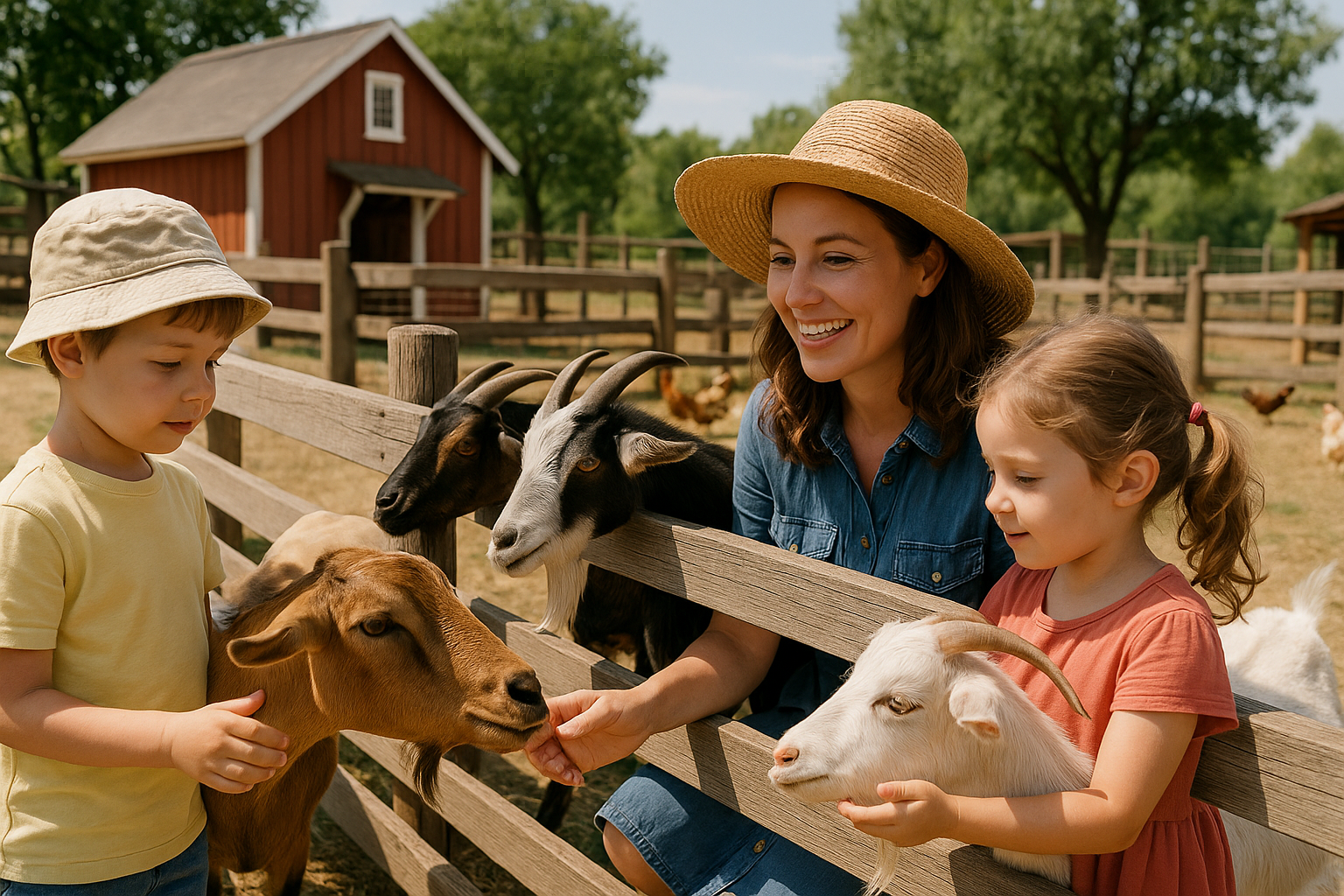
Petting farms are one of the best screen-free, hands-on experiences you can give a child in Delhi NCR — a short trip that mixes nature, animals, learning and plain old fun. This guide takes you through everything: why it matters, what to expect, a parent’s checklist, safety rules, ways to make the day educational and memorable — and a practical list of petting farms in and around Delhi NCR you can visit right away.
I. Quick introduction
A petting-farm visit is more than a cute photo op. It’s sensory play, emotional learning, motor skills practice, and a chance for children to develop compassion and curiosity about animals and where food and materials come from. With the right planning, it’s a relaxed, safe, and unforgettable family day out.
II. Why visit a petting farm with kids?
- Emotional & social growth: Gentle animal interactions help children develop empathy, patience and confidence.
- Sensory and motor development: Touching fur, feeding animals, and walking on varied terrain improves fine and gross motor skills.
- Curiosity & learning: Kids ask questions about animals, food, habitats — perfect real-world science lessons.
- Healthy, outdoor activity: Fresh air, movement and a break from screens.
- Family bonding: Shared activities and hands-on learning create memories and conversation long after the visit.
III. What to expect at a typical petting farm
Most petting farms in Delhi NCR have a combination of the following:
- Small animal enclosures (rabbits, guinea pigs, chickens, ducks).
- Farmyard animals such as goats, sheep and sometimes mini-cows.
- Pony or pony-carousel rides for younger kids (staff-supervised).
- Designated feeding stations with farm-approved feed (sometimes paid).
- Interactive sessions: grooming, egg-collecting, or “meet the farmer.”
- Play areas or picnic zones for families.
- Basic wash/hand-washing stations and sometimes a first-aid kit.
Duration: plan for 2–4 hours to allow arrival, interaction, snack break and relaxed exploration. Mornings are usually quieter and animals are more active then.
IV. Choosing the right petting farm in Delhi NCR
When picking a farm, prioritize:
- Animal welfare: Clean enclosures, well-fed and calm animals.
- Hygiene: Hand-washing stations, clean paths and safe toilets.
- Staff supervision: Trained staff for feeding, rides and emergencies.
- Age-appropriate activities: Some farms focus on toddlers, others offer deeper “little farmer” programs for school groups.
- Accessibility & distance: Travel time, parking, shade or indoor options during heat or rain.
- Reviews & word-of-mouth: Parents’ experiences often highlight what matters most.
V. How to prepare your child
- Talk beforehand: Explain simple farm rules — gentle touches, soft voices, and staying near adults.
- Set expectations: Explain that not all animals like to be held and some may be shy.
- Role-play: Practice petting gently at home with a stuffed toy.
- Dress rehearsal: Suggest shoes and clothes that can get a little dusty.
VI. Parents’ checklist — What to carry
Must-haves
- Reusable water bottle for each person.
- Snacks or packed lunch (check farm policy).
- Wide-brim hat / cap.
- Sunscreen applied before arrival.
- Hand sanitiser and wet wipes.
- Extra change of clothes for little kids.
- Closed-toe shoes (sandals often get muddy or nipped).
Nice-to-have
- Small first-aid kit (plasters, antiseptic wipes).
- Mosquito repellent (non-spray for babies).
- Camera or phone with charged battery.
- Backpack or sling for carrying toddlers.
- A picnic mat or sheet.
VII. Safety & hygiene — Rules to follow
- Never leave a child unattended near animals or enclosures.
- Don’t feed animals unless permitted — many farms sell specific feed to avoid digestive issues.
- Teach gentle touching: open palm, slow movements; no grabbing tails or ears.
- Wash hands immediately after handling animals and before eating. Use soap where available.
- Avoid faces near animals’ mouths (no kisses).
- Keep food sealed and away from animals to avoid bites or contamination.
- Check first-aid availability and phone network coverage before you go.
VIII. Making the visit educational and fun
- Plan a short “animal facts” game: ask kids to spot an animal and name one fact.
- Encourage observation: “How does this animal move? What does it eat?”
- Collect sensory memories: let kids describe textures, smells (sensitively), and sounds.
- Photo prompts: take a photo for a later drawing or storytelling activity.
- Follow-up at home: read a farm book or have kids draw their favorite animal to reinforce learning.
IX. Best time & weather
- Best seasons: October–March (pleasant days).
- Aim for mornings (8–11 AM) to avoid midday heat and crowds.
- Weekdays or early weekends are usually quieter than late afternoons or holiday afternoons.
- In summer, bring extra water and plan short visits during cooler hours.
X. Cost expectations & budget tips
- Typical costs: Many farms charge a per-person entry fee and extra for activities (pony rides, feed, workshops). Exact rates vary widely.
- Budgeting tips: Look for combo or family packages, bring your own picnic where allowed, and avoid peak times when extra charges may apply.
- School groups: Farms often offer group discounts or educational packages — call ahead.
XI. Do’s & Don’ts — quick cheat sheet
Do:
- Follow staff instructions.
- Encourage calm behaviour and patience.
- Carry a small bag for wet wipes/leftover feed.
- Ask before taking animals’ photos (some farms may have restrictions).
Don’t:
- Feed animals random snacks.
- Chase animals or allow rough play.
- Ignore signs or safety barriers.
- Bring glass containers or pets from home.
XII. Top Petting Farms in Delhi NCR (listings & what to expect)
Below are the petting farms you asked to include. For each I’ve listed what families can typically expect there, who it’s best for, and planning tips — based on the common offerings of petting farms. If you want, I can expand any single listing with a sample visiting plan or contact/route details.
1. The Barnyard — Animal Farm for Kids in Sainik Farm
What to expect: A cosy farm-style setup aimed at young children — small animals to pet, feeding sessions, and safe play areas.
Activities: Hands-on feeding, grooming sessions, photo spots and basic “meet the farmer” interactions.
Best for: Toddlers and preschoolers who enjoy close contact with friendly animals.
Tip: Arrive early to avoid traffic in Sainik Farm and to catch animals at their most active.
2. Farmus — Animal Farms in Sector 67, Gurugram
What to expect: A more structured farm with a mix of small animals and possibly longer educational programs or seasonal workshops.
Activities: Feeding, guided tours, and group activities for school visits.
Best for: Families and school groups looking for slightly more organized sessions.
Tip: Ask about group discounts or session booking for weekends.
3. Zootopia — The Funyard Animal Farm for Kids in Sector 58, Gurugram
What to expect: A family-friendly farm with play components and animal interaction zones; designed to be fun and engaging for kids.
Activities: Petting zones, pony rides, and themed play areas.
Best for: Younger kids who love mixed play + animal experiences.
Tip: Keep an eye on timed activities (pony rides or feeding hours) so you don’t miss them.
4. SABZ BAGH — Farm Life (Asola)
What to expect: Often positioned to give a rustic, farm-life experience — good for nature walks and more relaxed interaction with animals.
Activities: Guided farm walks, simple farming demonstrations, animal contact.
Best for: Families who want a quieter, more natural atmosphere and older preschoolers who can walk a bit.
Tip: Bring closed shoes and a light jacket for early morning visits in cooler months.
5. Khargoshi Animal Farm for Kids inBissar, Akbarpur Manesar, Gurugram
What to expect: A community-style farm catering to family groups with basic petting areas and locally loved animals.
Activities: Feeding, short interactive sessions and photo opportunities.
Best for: Local families and small groups; good for shorter visits.
Tip: Confirm activity timings before you go, especially on weekdays.
6. Tuk Tuk Gilhari — Animal Farm for Kids in Kadarpur, Gurugram
What to expect: A themed farm experience focusing on friendly interactions and curated kids’ activities.
Activities: Petting zones, children’s games, and supervised animal experiences.
Best for: Families seeking structured, kid-centred activities.
Tip: Ideal for birthday bookings — ask about party packages and food arrangements.
7. Tuk Tuk Gilhari — Animal Farm for Kids in Green Beauty Farms, Noida
What to expect: A Noida branch or partner location (Green Beauty Farms) offering a similar Tuk Tuk Gilhari experience — animal meeting zones, play, and educational snippets.
Activities: Feeding, grooming demonstrations, and short workshops.
Best for: Noida families looking for a convenient, farm-style outing close to the city.
Tip: Check for parking availability and whether advance booking is required on busy weekends.
XIII. After the visit — reinforcing learning at home
- Talk about the visit: Ask what they liked best and what surprised them.
- Art & story time: Have kids draw their favourite animal or narrate a short story about the day.
- Reading: Use simple books about farm animals and their care.
- Mini tasks: Encourage small responsibilities like watering a plant or helping feed a pet (age-appropriate).
Conclusion & call to action
A well-planned petting farm visit is easy to arrange and hugely rewarding. With a little preparation — the right clothes, a smart checklist and a focus on safety and learning — your child will come home happy, a little wiser about animals, and buzzing with stories.